

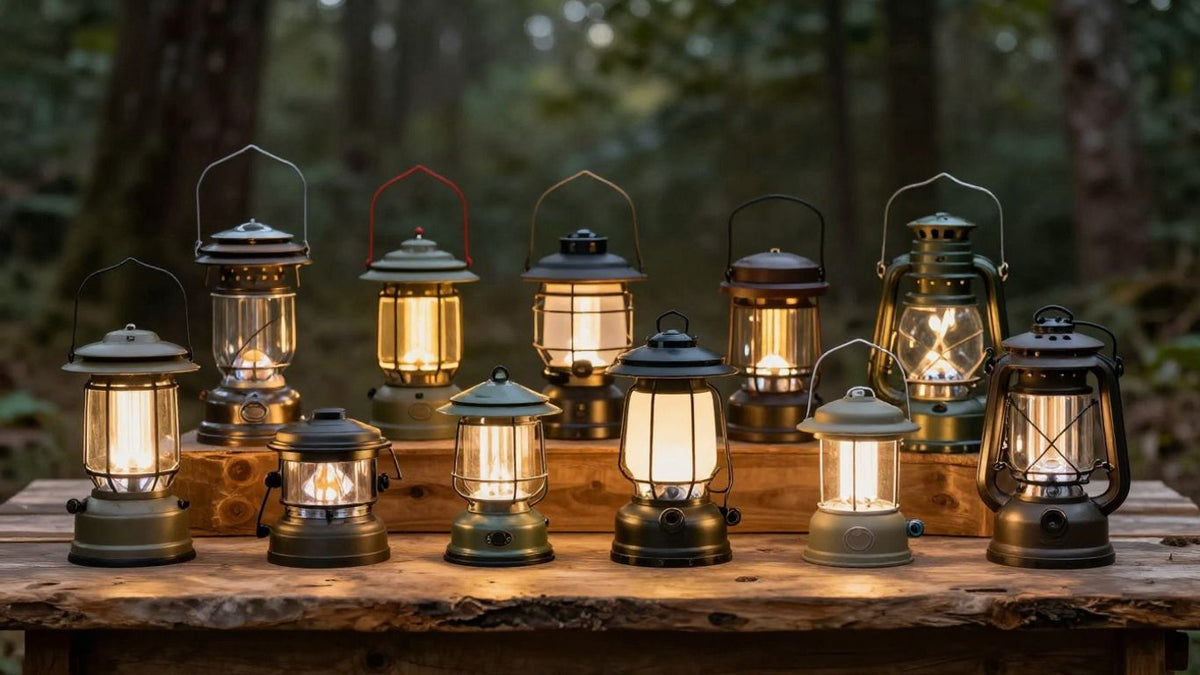
Wenn Sie sich auf Ihren nächsten Campingausflug vorbereiten, kann die Wahl der richtigen Campinglampe einen großen Unterschied machen. Hier ist ein kurzer Überblick über die wichtigsten Dinge, die Sie beachten sollten, damit Sie eine Leuchte auswählen können, die perfekt zu Ihren Bedürfnissen passt.
Wichtige Erkenntnisse
Überlegen Sie, wofür Sie Ihre Campinglampe wirklich brauchen – soll sie einen ganzen Campingplatz beleuchten, zum Lesen im Zelt dienen oder Ihnen im Dunkeln den Weg weisen?
Achten Sie auf die Helligkeit (Lumen) und die Batterielaufzeit. Sie möchten schließlich nicht mitten im Urlaub im Dunkeln stehen.
Berücksichtigen Sie die verschiedenen Typen: Laternen eignen sich hervorragend für Gruppen, Stirnlampen halten die Hände frei und Taschenlampen sind ideal für spezifische Aufgaben.
Denken Sie an die Robustheit der Lampe und ob sie ein wenig Regen oder raue Handhabung verträgt. Langlebigkeit ist bei Outdoor-Ausrüstung entscheidend.
Vergessen Sie nicht Größe und Gewicht, besonders wenn Sie wandern oder mit dem Rucksack unterwegs sind. Eine leichtere, kleinere Campinglampe ist meist einfacher zu transportieren.
Ihre Bedürfnisse an eine Campinglampe verstehen
Also gut, Sie rüsten sich für Ihr nächstes Outdoor-Abenteuer und benötigen eine zuverlässige Lichtquelle. Klingt einfach, oder? Nehmen Sie einfach irgendeine alte Taschenlampe. Aber ehrlich gesagt ist die Wahl der richtigen Campinglampe viel wichtiger, als die meisten Leute glauben. Sie kann Ihren Ausflug maßgeblich beeinflussen, besonders wenn Sie abseits der Zivilisation unterwegs sind. Ich erinnere mich, wie meine billige Stirnlampe nach nur wenigen Stunden den Geist aufgab und das Herumtappen im Dunkeln beim Zeltaufbau war, nun ja, kein Spaß. Es geht darum, die Lampe an Ihren tatsächlichen Camping-Stil anzupassen.
Grundlegende Funktionen Ihrer Campinglampe bewerten
Bevor Sie sich überhaupt bestimmte Modelle ansehen, nehmen Sie sich einen Moment Zeit und überlegen Sie, was Sie wirklich tun werden. Campen Sie hauptsächlich mit dem Auto und einer großen Gruppe, oder sind Sie als Rucksacktourist allein unterwegs, wo jedes Gramm zählt? Hier finden Sie heraus, welche Funktionen für Sie tatsächlich wichtig sind. Wenn Sie sich beispielsweise ein Zelt mit mehreren Personen teilen, ist eine helle, flächige Laterne wahrscheinlich besser geeignet als ein fokussierter Lichtstrahl. Wenn Sie hingegen nach Sonnenuntergang wandern oder etwas in Ihrem Rucksack finden müssen, ohne alle anderen zu wecken, ist eine freihändige Stirnlampe ein Lebensretter. Es geht nicht nur darum, irgendein Licht zu haben; es geht darum, das richtige Licht für den jeweiligen Zweck zu haben. Denken Sie an die Aktivitäten, die Sie planen, und die damit verbundenen Anforderungen an die Beleuchtung. Für einen tieferen Einblick in die verschiedenen Typen sehen Sie sich diese Bewertung von Campinglaternen und -leuchten an.
Vielseitigkeit und Einfachheit bei der Wahl der Campinglampe abwägen
Hier wird es etwas knifflig. Sie sehen all diese Lampen mit einer Million verschiedener Einstellungen – Stroboskop, SOS, Farbwechselmodi – und es ist leicht, den Überblick zu verlieren. Aber brauchen Sie das wirklich alles? Manchmal sind die einfachsten Lampen die zuverlässigsten. Eine schnörkellose Laterne mit ein paar Helligkeitseinstellungen ist vielleicht alles, was Sie brauchen. Wenn Sie jedoch der Typ Camper sind, der gerne auf alles vorbereitet ist, könnte eine vielseitigere Lampe, die sich an verschiedene Situationen anpassen lässt, den zusätzlichen Aufwand wert sein. Es ist definitiv ein Kompromiss. Sie möchten etwas, das einfach zu bedienen ist, wenn Sie müde und vielleicht ein wenig gestresst sind, aber auch leistungsfähig genug für alles, was die Nacht so mit sich bringt.
Die Bedeutung von Komfort und Funktionalität beim Design von Campinglampen
Wenn Sie draußen in der Natur sind, gehen Komfort und Praktikabilität Hand in Hand. Eine Lampe, die schwer oder unhandlich ist, kann schnell lästig werden. Überlegen Sie, wie Sie sie benutzen werden. Werden Sie sie über lange Strecken tragen? Wenn ja, sind Gewicht und Größe entscheidende Faktoren. Selbst beim Camping mit dem Auto macht eine Lampe, die leicht abgestellt werden kann, ohne umzukippen, oder die einen bequemen Griff hat, einen Unterschied. Das Gesamtdesign sollte intuitiv wirken. Sie möchten nicht im Dunkeln an winzigen Knöpfen herumfummeln, wenn Sie die Lampe einfach nur einschalten müssen. Gutes Design bedeutet, dass die Lampe für Sie arbeitet, nicht gegen Sie.
Ihren spezifischen Camping-Stil und die Umgebung, in der Sie sich befinden werden, zu berücksichtigen, ist der erste Schritt, um eine Lampe zu finden, die Sie nicht im Stich lässt. Es geht darum, realistisch in Bezug auf Ihre Bedürfnisse zu sein und sich nicht von Funktionen beeinflussen zu lassen, die Sie nie nutzen werden. Dieser durchdachte Ansatz hilft dabei, sich an allgemeinen Camping-Standards und Bedarfsanalysen zu orientieren.
Hier ist eine kurze Zusammenfassung der Dinge, über die Sie nachdenken sollten:
Wo werden Sie sie am meisten verwenden? (Zelt, Campingplatz, Wanderweg, am Lagerfeuer)
Wer wird sie verwenden? (Alleine, als Paar, Familie, Gruppe)
Welche Aktivitäten wird sie unterstützen? (Lesen, Kochen, Navigieren, Entspannen)
Wie lange muss sie mit einer Ladung/einem Batteriesatz halten?
Wichtige Funktionen für Ihre nächste Campinglampe
Wenn Sie draußen in der Wildnis sind, kann die richtige Beleuchtung Ihren Ausflug maßgeblich verbessern. Es geht nicht nur darum zu sehen, wohin Sie gehen; es geht um Komfort, Sicherheit und darum, die richtige Stimmung zu erzeugen. Lassen Sie uns die wichtigsten Dinge aufschlüsseln, auf die Sie bei Ihrer nächsten Campinglampe achten sollten.
Helligkeit und Lumen: Den Campingplatz beleuchten
Die Helligkeit wird in Lumen gemessen, und das ist wahrscheinlich das Erste, woran die Leute denken. Sie möchten nicht etwas so Dunkles, dass Sie den Reißverschluss Ihres Zeltes nicht finden, aber Sie möchten auch keinen blendenden Scheinwerfer in Ihrem kleinen Zelt. Für die allgemeine Nutzung auf dem Campingplatz, wie Kochen oder gemütliches Beisammensein, ist ein Bereich von über 500 Lumen eine gute Wahl. Wenn Sie nur Licht im Zelt zum Lesen oder Sortieren Ihrer Ausrüstung benötigen, sind 200–400 Lumen normalerweise völlig ausreichend. Viele moderne Lampen bieten eine einstellbare Helligkeit, was extrem praktisch ist. Sie können sie für einen entspannten Abend dimmen oder heller stellen, wenn Sie klar sehen müssen. Eine vielseitige Laterne, die für ihre einstellbare Helligkeit bekannt ist und es Ihnen ermöglicht, die Lichtleistung fein abzustimmen, ist ein großartiges Beispiel.
Batterielaufzeit und Stromquellen für den längeren Gebrauch
Nichts ist schlimmer, als wenn Ihre Lampe genau dann ausfällt, wenn Sie sie am meisten brauchen. Die Batterielaufzeit ist eine große Sache. Überlegen Sie, wie lange Sie unterwegs sein werden und wie oft Sie die Möglichkeit haben, aufzuladen. Wiederaufladbare Lampen sind toll, weil sie umweltfreundlich sind und Ihnen im Laufe der Zeit Geld für Batterien sparen. USB-C-Laden wird zum Standard, was praktisch ist, wenn Sie ohnehin eine Powerbank für Ihr Telefon dabeihaben. Einige Lampen bieten auch Solarladung als Backup, was ein netter Bonus ist, auch wenn es langsam sein kann. Wenn Sie eine längere Reise planen oder an einen Ort fahren, an dem das Aufladen schwierig ist, ziehen Sie eine Lampe in Betracht, die mit Standard-AA- oder D-Batterien betrieben wird oder eine sehr lange Laufzeit hat. Eine gute Campinglaterne sollte idealerweise zwischen 8 und 20 Stunden mit einer Ladung halten, je nach Helligkeitseinstellung.
Robustheit und Wetterbeständigkeit für Zuverlässigkeit im Freien
IP-Schutzarten betreffen unterschiedliche Belastungen: IPX4 Spritzwasser, IPX5/6 Wasserstrahlen, IPX7 Eintauchen unter festgelegten Prüfbedingungen. Beachte die Herstellergrenzen. Offizielle Übersicht der IP-Schutzarten.
Wenn Sie eine Campinglampe auswählen, denken Sie darüber nach, wo Sie sie am häufigsten verwenden werden. Eine helle, leistungsstarke Laterne ist großartig für einen Familien-Campingplatz, aber eine kleine, leichte Stirnlampe könnte besser sein, wenn Sie mit dem Rucksack unterwegs sind. Es geht darum, die Funktionen der Lampe auf Ihren spezifischen Camping-Stil und Ihre Bedürfnisse abzustimmen.
Verschiedene Arten von Campinglampen entdecken
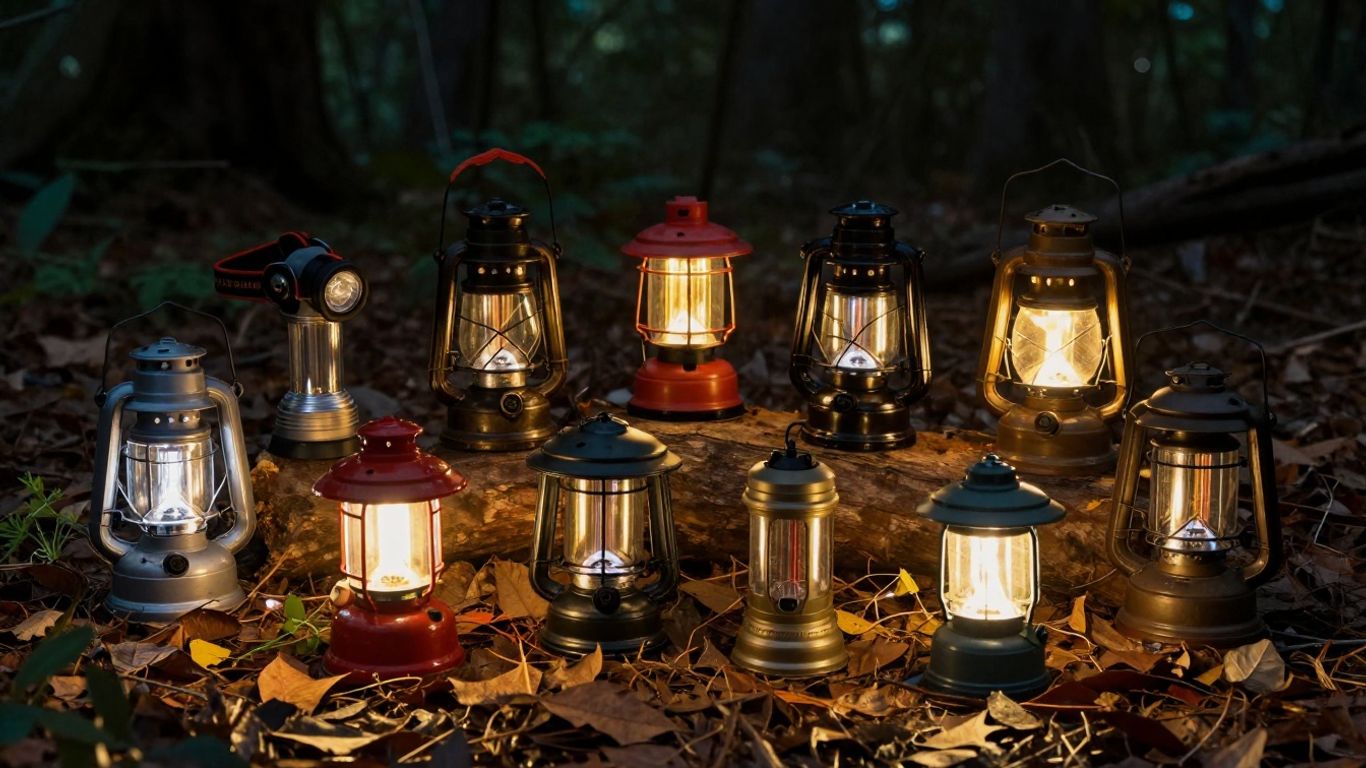
Wenn Sie draußen in der Wildnis sind, kann die richtige Lichtquelle den entscheidenden Unterschied machen. Es geht nicht nur darum zu sehen, wohin Sie gehen; es geht um Komfort, Sicherheit und darum, die Stimmung zu beeinflussen. Glücklicherweise gibt es ein paar Hauptarten von Campinglampen, von denen jede ihre eigenen Stärken hat. Wenn Sie diese Unterschiede verstehen, können Sie die perfekte Lampe für Ihr nächstes Abenteuer auswählen.
Laternen: Vielseitige Beleuchtung für Gruppen und Zelte
Laternen sind wahrscheinlich das, was sich die meisten Leute unter Campingbeleuchtung vorstellen. Sie sind darauf ausgelegt, einen breiten, diffusen Lichtkegel zu erzeugen, was sie fantastisch macht, um ein ganzes Zelt oder einen Picknicktischbereich zu beleuchten. Wenn Sie mit Familie oder Freunden campen, ist eine Laterne normalerweise die erste Wahl, um eine gemütliche Atmosphäre zu schaffen. Viele moderne Laternen sind LED-betrieben und wiederaufladbar, was ein großes Plus für die Umwelt und Ihren Geldbeutel ist. Einige haben sogar einstellbare Helligkeitseinstellungen, sodass Sie das Licht zum Entspannen dimmen oder zum Kochen heller drehen können.
Gut geeignet für: Gruppentreffen, Beleuchtung von Zelten, allgemeines Campingplatz-Ambiente.
Berücksichtigen Sie: Batterielaufzeit und Gesamthelligkeit (Lumen). Ein guter Ausgangspunkt für die allgemeine Campingplatzbeleuchtung liegt bei etwa 400-800 Lumen.
Tipp: Suchen Sie nach Modellen mit einem Haken oder einer Schlaufe, um sie an der Zeltdecke oder einem Ast aufzuhängen.
Stirnlampen: Freihändiges Licht für aktive Camper
Für diejenigen, die nach Einbruch der Dunkelheit aktiv bleiben möchten oder die Hände frei haben müssen, ist eine Stirnlampe ein Lebensretter. Egal, ob Sie bei Dämmerlicht das Camp aufbauen, eine Nachtwanderung machen oder einfach nur in Ihrem Rucksack kramen müssen, ohne zu fummeln, eine Stirnlampe wirft einen fokussierten Strahl genau dorthin, wo Sie hinschauen. Sie sind extrem leicht und meist verstellbar, sodass sie bequem sitzen. Das Wichtigste, auf das Sie bei Stirnlampen achten sollten, ist die Batterielaufzeit, da sie oft kleiner sind und möglicherweise nicht so lange halten wie eine größere Laterne mit einer Ladung.
Ideal für: Wandern, Camp-Aufbau, Lesen, detaillierte Aufgaben.
Hauptmerkmale: Einstellbarer Lichtstrahl, bequemes Kopfband, ordentliche Batterielaufzeit.
Vorsicht: Begrenzte Reichweite im Vergleich zu Laternen.
Taschenlampen: Fokussierte Strahlen für spezifische Aufgaben
Taschenlampen wirken vielleicht etwas altmodisch, sind aber immer noch unglaublich nützlich. Sie bieten einen starken, fokussierten Strahl, der perfekt ist, um Dinge in der Ferne zu entdecken, einen Weg vor sich zu prüfen oder den verlorenen Zelthering im Gras zu finden. Obwohl sie nicht großartig sind, um einen ganzen Bereich auszuleuchten, ist ihr konzentriertes Licht für bestimmte Aufgaben von unschätzbarem Wert. Einige leistungsstarke Taschenlampen können in einer Notsituation sogar als Signalgerät dienen. Denken Sie bei der Auswahl daran, wie weit der Strahl reichen muss und wie lange Sie ihn benötigen.
Taschenlampen sind oft am robustesten und halten raueren Bedingungen stand. Ihr fokussierter Strahl ist großartig, um Wildtiere zu beobachten oder in schwierigem Gelände zu navigieren, aber sie bieten nicht die breite Ausleuchtung, die für Gruppenaktivitäten erforderlich ist.
Am besten geeignet für: Punktbeleuchtung, Suchen, Navigieren auf bestimmten Pfaden.
Berücksichtigen Sie: Reichweite des Lichtstrahls, Haltbarkeit und Batterietyp (wiederaufladbar oder Einweg).
Tipp: Halten Sie einen Satz Ersatzbatterien oder eine Powerbank bereit, wenn Sie für längere Ausflüge stark auf eine Taschenlampe angewiesen sind.
Innovationen in der Campinglampen-Technologie
Campinglampen sind heutzutage nicht mehr nur einfache Glühbirnen. Die Tech-Welt bringt einige ziemlich coole Sachen auf den Campingplatz. Wir sprechen hier von Lampen, die mehr können, als nur zu leuchten; sie werden intelligenter und umweltfreundlicher. Es ist schon verrückt, wie sehr sie sich in nur wenigen Jahren verändert haben.
Smarte Funktionen und App-Integration
Stellen Sie sich vor: Sie sind es sich in Ihrem Zelt gemütlich gemacht und anstatt nach einem Schalter zu tasten, zücken Sie einfach Ihr Handy. Ja, einige der neueren Campinglampen lassen Sie Helligkeit, Farbtemperatur und sogar Timer direkt über eine App steuern. Das ist ein netter Trick, besonders wenn Sie eine ganze Gruppe beleuchten müssen oder einfach das Licht vor dem Schlafengehen dimmen möchten, ohne aufzustehen. Dieses Maß an Kontrolle war früher Science-Fiction, aber jetzt wird es zu einer echten Option für Camper. Es macht das Einstellen der Stimmung oder das Anpassen der Beleuchtung für verschiedene Aktivitäten super einfach.
Solarladung und umweltfreundliche Optionen
Für diejenigen unter uns, die unseren ökologischen Fußabdruck klein halten möchten, ist das Solarladen ein echter Wendepunkt. Viele moderne Campinglampen verfügen jetzt über eingebaute Solarpaneele, sodass Sie sie tagsüber einfach aufladen können, indem Sie sie in der Sonne liegen lassen. Das bedeutet weniger Abhängigkeit von Batterien oder der Suche nach einer Steckdose. Außerdem konzentrieren sich viele Marken darauf, wiederaufladbare Batterien zu verwenden, was viel besser ist, als ständig Einwegbatterien zu kaufen und wegzuwerfen. Es ist eine Win-Win-Situation für Ihren Geldbeutel und die Umwelt. Sie können einige wirklich solide wiederaufladbare Campinglampen finden, die dies einfach machen.
Bewegungssensoren für mehr Sicherheit und Komfort
Das ist eine dieser Funktionen, von denen Sie nicht wissen, dass Sie sie brauchen, bis Sie sie haben. Lampen mit Bewegungssensoren können sich automatisch einschalten, wenn sie eine Bewegung erkennen. Denken Sie daran, wie Sie spät in der Nacht vom Lagerfeuer zu Ihrem Zelt zurückgehen – der Weg leuchtet auf, noch bevor Sie ihn erreichen. Es ist eine großartige Sicherheitsfunktion, besonders wenn Kinder oder Haustiere herumlaufen. Es sorgt auch einfach für ein wenig mehr Komfort; kein Stolpern mehr im Dunkeln. Während einige Camper immer noch die altmodische Zuverlässigkeit einer einfachen Taschenlampe bevorzugen, sind diese intelligenten Ergänzungen definitiv eine Überlegung für Ihre nächste Reise wert.
Die schnelle Entwicklung von Campinglampen bedeutet, dass wir immer mehr integrierte Technologie sehen. Während sich manche über die Komplexität Sorgen machen könnten, liegt der Fokus oft darauf, die Dinge für den Benutzer einfacher und intuitiver zu machen. Das Ziel ist es, Ihre Outdoor-Erfahrung komfortabler zu gestalten und nicht ständig an der Ausrüstung herumfummeln zu müssen.
Mobilität und Praktikabilität bei der Auswahl der Campinglampe
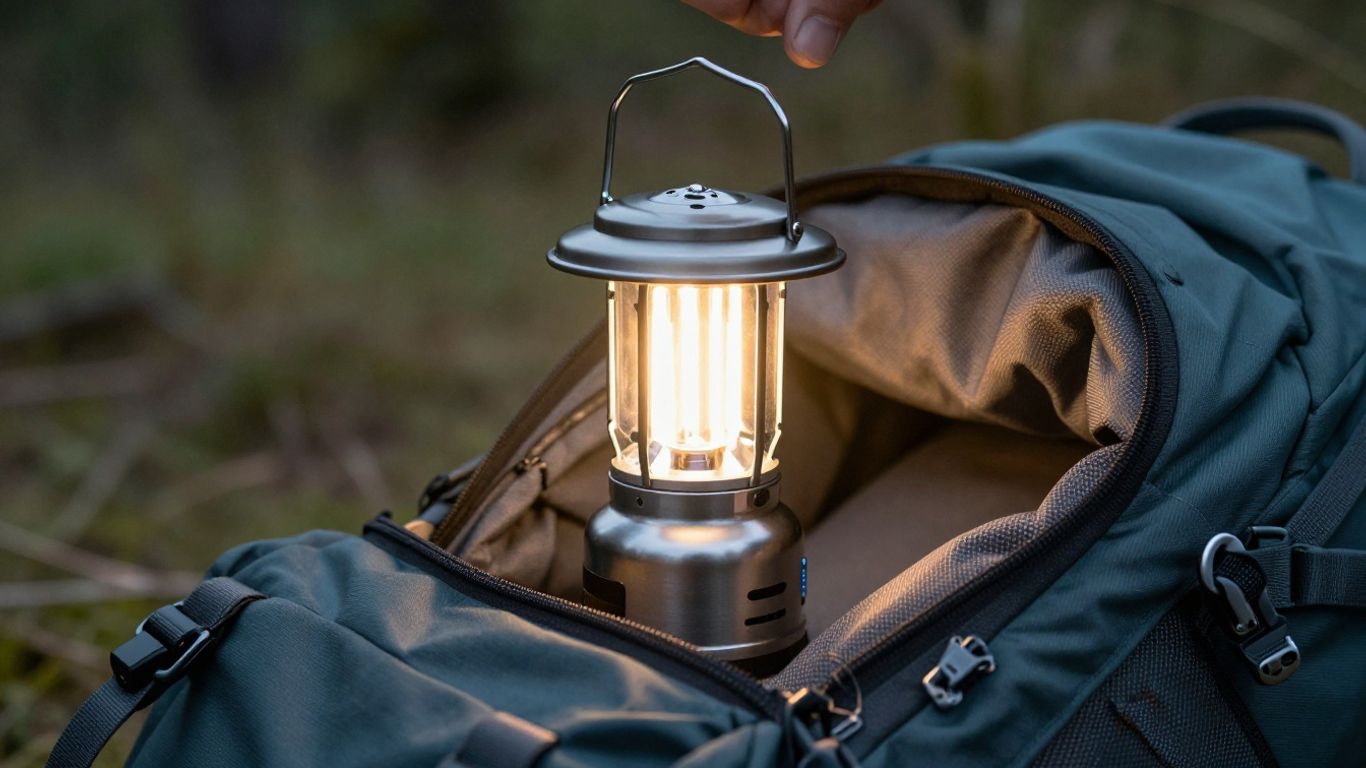
Wenn Sie in die Wildnis aufbrechen, zählt jedes Gramm in Ihrem Rucksack. Deshalb ist es extrem wichtig darüber nachzudenken, wie mobil und praktisch Ihre Campinglampe ist. Es geht nicht nur darum Licht zu haben; es geht darum das richtige Licht zu haben, das nicht zur Belastung wird.
Gewicht- und Größenüberlegungen für das Rucksackreisen
Für diejenigen von Ihnen, die gerne tief in die Wildnis wandern, zählt jedes Gramm. Eine schwere oder sperrige Lampe kann Sie über viele Kilometer hinweg wirklich auszehren. Idealerweise möchten Sie etwas, das weniger als ein Pfund wiegt, vielleicht sogar eher die Hälfte davon. Denken Sie auch daran, wie sie in Ihren Rucksack passt. Hat sie eine seltsame Form, die zu viel Platz wegnimmt? Einige Lampen sind so konzipiert, dass sie zusammenklappbar oder faltbar sind, was ein genialer Trick ist, um kostbaren Platz zu sparen.
Leichte Materialien: Suchen Sie nach Lampen aus robusten, aber leichten Kunststoffen oder Aluminiumlegierungen.
Kompakte Bauweise: Erwägen Sie Lampen, die klein und leicht zu verstauen sind.
Integrierte Funktionen: Einige Lampen haben eingebaute Karabiner oder Schlaufen, wodurch sie einfach am Rucksack befestigt werden können.
Kompaktes Design ohne Kompromisse bei der Leistung
Es ist ein gängiger Kompromiss: kleiner bedeutet meist weniger leistungsstark, oder? Bei Campinglampen ist das heutzutage nicht immer so. Die Hersteller schaffen es immer besser, viel Power in winzige Pakete zu packen. Sie können Lampen finden, die klein genug für Ihre Tasche sind, aber dennoch eine ordentliche Menge Licht für Ihren Campingplatz liefern. Der Trick besteht darin, nach effizienten LEDs und einem intelligenten Batteriemanagement zu suchen. Gehen Sie nicht davon aus, dass eine kleine Lampe nicht ausreicht; recherchieren Sie gut.
Einfache Bedienung und Wartung Ihrer Campinglampe
Jenseits des Transports: Wie einfach ist die Lampe tatsächlich zu bedienen und am Laufen zu halten? Mit komplizierten Knöpfen im Dunkeln zu fummeln oder zu versuchen, ein spezielles Ladegerät zu finden, kann wirklich nervig sein. Einfache Bedienelemente, wie ein einziger Ein-/Ausschalter oder ein Drehrad für die Helligkeit, sind meist am besten. Denken Sie bei der Wartung an die Batteriesituation. Sind es Standard-AA- oder AAA-Batterien, die man überall finden kann, oder ist es ein spezieller Akku, der schwer zu ersetzen sein könnte, wenn er auf einer langen Reise den Geist aufgibt? Einige Lampen bieten duale Stromversorgungsoptionen, wie Batterien und USB-Laden, was Ihnen Flexibilität gibt. Es ist auch eine gute Idee, Ihre Lampe zu Hause zu testen, bevor Sie losfahren, nur um sicherzugehen, dass Sie wissen, wie sie funktioniert und dass alles in Ordnung ist. Auf diese Weise werden Sie nicht überrascht, wenn Sie meilenweit von irgendwo entfernt sind.
Wenn Sie eine Campinglampe auswählen, überlegen Sie immer, wie sie sich in Ihr gesamtes Ausrüstungsset integrieren lässt. Eine Lampe, die einfach zu verpacken, leicht zu bedienen und zuverlässig in ihrer Stromquelle ist, wird Ihre Outdoor-Erfahrung viel angenehmer machen. Lassen Sie nicht zu, dass eine schlecht gewählte Lampe unnötigen Stress zu Ihrem Abenteuer hinzufügt.
Zum Beispiel ist eine kompakte und praktische Lampe, die leicht zu tragen ist und für Situationen entwickelt wurde, in denen Platz und Gewicht knapp sind, eine solide Wahl für Rucksacktouristen. Ebenso ist eine Campinglampe, die für ihre Bequemlichkeit und ihren einfachen Transport bekannt ist und gut in verschiedene Campingszenarien passt, ohne sperrig zu sein, eine weitere gute Option.
Die richtige Wahl der Campinglampe treffen
Sie haben sich also all die schicken Funktionen, die Lumen, die Batterielaufzeit und die verschiedenen Lampentypen angesehen. Jetzt kommt der Teil, in dem Sie tatsächlich eine auswählen. Es ist leicht, sich in all den Spezifikationen zu verlieren, aber eigentlich läuft es auf ein paar praktische Schritte hinaus. Kaufen Sie nicht einfach die hellste oder die mit der längsten Batterielaufzeit, wenn sie nicht zu Ihrem Camping-Stil passt. Denken Sie an Ihre vergangenen Ausflüge. Wofür haben Sie tatsächlich Licht gebraucht? War es zum Lesen im Zelt, um den Weg zum Klohäuschen im Dunkeln zu finden oder einfach nur, um eine Stimmung am Lagerfeuer zu erzeugen? Die Beantwortung dieser Fragen wird Sie zur richtigen Art der Beleuchtung führen.
Reale Leistung und Benutzerfeedback bewerten
Spezifikationen auf einer Packung sind eine Sache, aber wie schlägt sich eine Lampe, wenn Sie tatsächlich draußen sind? Hier kommen Benutzerbewertungen und Praxistests ins Spiel. Suchen Sie nach Feedback von Leuten, die ihre Ausrüstung unter Bedingungen verwenden, die Ihren ähnlich sind. Hat der Akku wirklich so lange gehalten wie beworben? Hat sie ein wenig Regen oder einen Sturz überlebt? Manchmal reicht eine Lampe, die auf dem Papier großartig aussieht, im Feld einfach nicht aus. Das Lesen von Bewertungen kann Ihnen viel Ärger ersparen. Sie finden oft gute Einblicke auf Outdoor-Ausrüstungsseiten oder auch einfach durch die Suche nach bestimmten Modellen auf YouTube.
Testen Sie Ihre Campinglampe vor Ihrem Abenteuer
Im Ernst: Überspringen Sie diesen Schritt nicht. Bevor Sie Ihre Sachen packen und losziehen, testen Sie Ihre neue Campinglampe zu Hause. Laden Sie sie vollständig auf, schalten Sie sie ein und schauen Sie, wie hell sie wirklich ist. Probieren Sie die verschiedenen Modi aus. Stoppen Sie, wie lange der Akku bei Ihrer bevorzugten Einstellung hält. Das ist auch eine gute Gelegenheit, sich mit der Bedienung vertraut zu machen, damit Sie nicht im Dunkeln herumhantieren müssen. Sie möchten sich sicher nicht mit Knöpfen herumschlagen, wenn Sie nach Sonnenuntergang Ihr Lager aufschlagen wollen. Sich vorher mit der Ausrüstung vertraut zu machen, macht einen riesigen Unterschied.
Wahl einer Campinglampe, die Ihr Outdoor-Erlebnis verbessert
Letztendlich ist das Ziel, eine Lampe zu wählen, die Ihren Campingausflug besser und nicht komplizierter macht. Berücksichtigen Sie diese Punkte:
Ihr typischer Lageraufbau: Sind Sie meistens in einem Zelt, einem Auto oder einer Hängematte?
Ihre Hauptaktivitäten nach Einbruch der Dunkelheit: Lesen, Kochen, Kartenspielen oder einfach nur entspannen?
Wie viel Ausrüstung Sie bereits tragen: Fügt die Lampe zu viel Gewicht oder Volumen hinzu?
Denken Sie an die Atmosphäre, die Sie schaffen möchten. Manchmal ist ein weicheres, wärmeres Licht einladender als ein greller, heller Strahl. Es geht darum, das Gleichgewicht zwischen praktischer Beleuchtung und der Schaffung eines gemütlichen Raums zu finden.
Wenn Sie beispielsweise hauptsächlich mit dem Auto campen und einen großen Bereich ausleuchten müssen, ist eine robuste Laterne möglicherweise die beste Wahl. Wenn Sie mit dem Rucksack unterwegs sind, ist eine leichte Stirnlampe oder eine kompakte Taschenlampe wahrscheinlich praktischer. Denken Sie daran: Die beste Campinglampe ist diejenige, die Ihren spezifischen Bedürfnissen entspricht und Ihre Zeit im Freien angenehmer und sicherer macht.
Fazit
Die Auswahl der richtigen Campinglampe hängt wirklich davon ab, was Sie vor Ort vorhaben. Überlegen Sie, wie hell Sie es brauchen, wie lange sie halten muss und ob Sie sie weit tragen werden. Egal, ob Sie sich für eine einfache Laterne, eine praktische Stirnlampe oder eine superhelle Taschenlampe entscheiden, das Ziel ist es, Ihre Zeit im Freien einfacher und unterhaltsamer zu gestalten. Vergessen Sie nicht, sich auch modernere Technologien wie Solarladung oder smarte Funktionen anzusehen, falls das etwas für Sie ist. Letztendlich ist eine gute Campinglampe wie ein treuer Freund auf Ihrer Reise, der Ihnen den Weg weist und dafür sorgt, dass Sie jeden Moment genießen können, ob bei Tag oder Nacht.
Häufig gestellte Fragen
Wie hell sollte meine Campinglampe sein?
Das hängt davon ab, wofür Sie sie verwenden. Um nur das Zeltinnere zu beleuchten, reichen in der Regel etwa 200–300 Lumen aus. Wenn Sie einen ganzen Kochbereich oder einen Platz für eine Gruppe ausleuchten müssen, sollten Sie 500 Lumen oder mehr anstreben. Einige Lampen ermöglichen es, die Helligkeit zu ändern, was super praktisch ist.
Sind wiederaufladbare Campinglampen besser als batteriebetriebene?
Wiederaufladbare Lampen sind oft besser für die Umwelt und können auf Dauer Geld sparen, da Sie keine Batterien nachkaufen müssen. Zudem können viele über einen USB-Anschluss aufgeladen werden, was sehr bequem ist. Dennoch kann es für längere Reisen sinnvoll sein, einen Ersatzsatz Batterien oder eine batteriebetriebene Lampe für den Notfall dabei zu haben.
Kann ich meine Campinglampe im Regen verwenden?
Prüfe Schutzart und Anleitung für deine Bedingungen. CAMPERIG AF3 hat IP65-Schutz gegen Staub und Regen im Camp; nicht untertauchen. Halte Ladeanschlüsse trocken und beachte die Produktanleitung.
Was ist der Unterschied zwischen einer Laterne und einer Taschenlampe?
Eine Laterne strahlt normalerweise ein breiteres, weicheres Licht aus, das gut geeignet ist, um einen ganzen Bereich zu beleuchten, wie das Innere eines Zeltes oder den Bereich um einen Picknicktisch. Eine Taschenlampe erzeugt einen fokussierteren Strahl, der besser geeignet ist, um auf etwas Bestimmtes zu zeigen, wie eine Wegmarkierung oder das Innere Ihres Rucksacks.
Wie wichtig ist das Gewicht einer Campinglampe?
Das Gewicht ist sehr wichtig, besonders wenn Sie wandern oder mit dem Rucksack unterwegs sind. Jedes Gramm zählt, wenn Sie Ihre Ausrüstung tragen. Für solche Situationen ist eine leichte Stirnlampe oder eine kleine, kompakte Laterne meist die beste Wahl. Beim Camping mit dem Auto ist das Gewicht weniger besorgniserregend.
Lohnen sich neue smarte Funktionen bei einer Campinglampe?
Smarte Funktionen, wie App-Steuerung oder Bewegungssensoren, können cool sein und den Komfort erhöhen. Zum Beispiel kann eine Lampe, die sich bei Bewegungserkennung einschaltet, hilfreich sein. Sie können jedoch auch Kosten und Komplexität erhöhen. Überlegen Sie, ob diese zusätzlichen Funktionen Ihr Campingerlebnis tatsächlich erleichtern oder ob eine einfachere, zuverlässige Lampe alles ist, was Sie brauchen.
Ein CAMPERIG Beleuchtungsset wählen
Die AF3 Taschenlampe und Laterne kombiniert Spotlicht, Flutlicht und eine warme hintere Laterne. 5.000 Lumen vorn und 800 Lumen hinten sind Spitzenwerte. Die Leistung kann sinken; die Laufzeit hängt von Modus, Helligkeit und Bedingungen ab.
AF3 allein eignet sich für die Hand, den Tisch, die Aufhängeschlaufe und den Magnetfuß. AF3 mit Mounting Kit ergänzt Befestigungsmöglichkeiten. AF3 + T3 enthält den klappbaren Laternenständer mit Haken und Taschenlampenklemme, aber nicht das separate Mounting Kit. Prüfe aktuelle Inhalte und Preise auf der Produktseite.
Vergleiche Campinglampen und Ständer sowie kompatibles Zubehör. Lade die Lampe, prüfe die Befestigungen und teste den gewählten Modus vor deiner Reise.
Aktualisiert am 4. Oktober 2026: AF3 Paketunterschiede, Spitzenleistung und IP-Prüfbedingungen präzisiert. Produktangaben: aktuelle AF3 Produktseite.

Teilen:
Trekkingstöcke für Anfänger: Auswahl und Einstellung
AF3-Pakete: Taschenlampe, Montageset oder T3?